Tunisia: The New Eldorado of Digital Dentistry and Medical Tourism
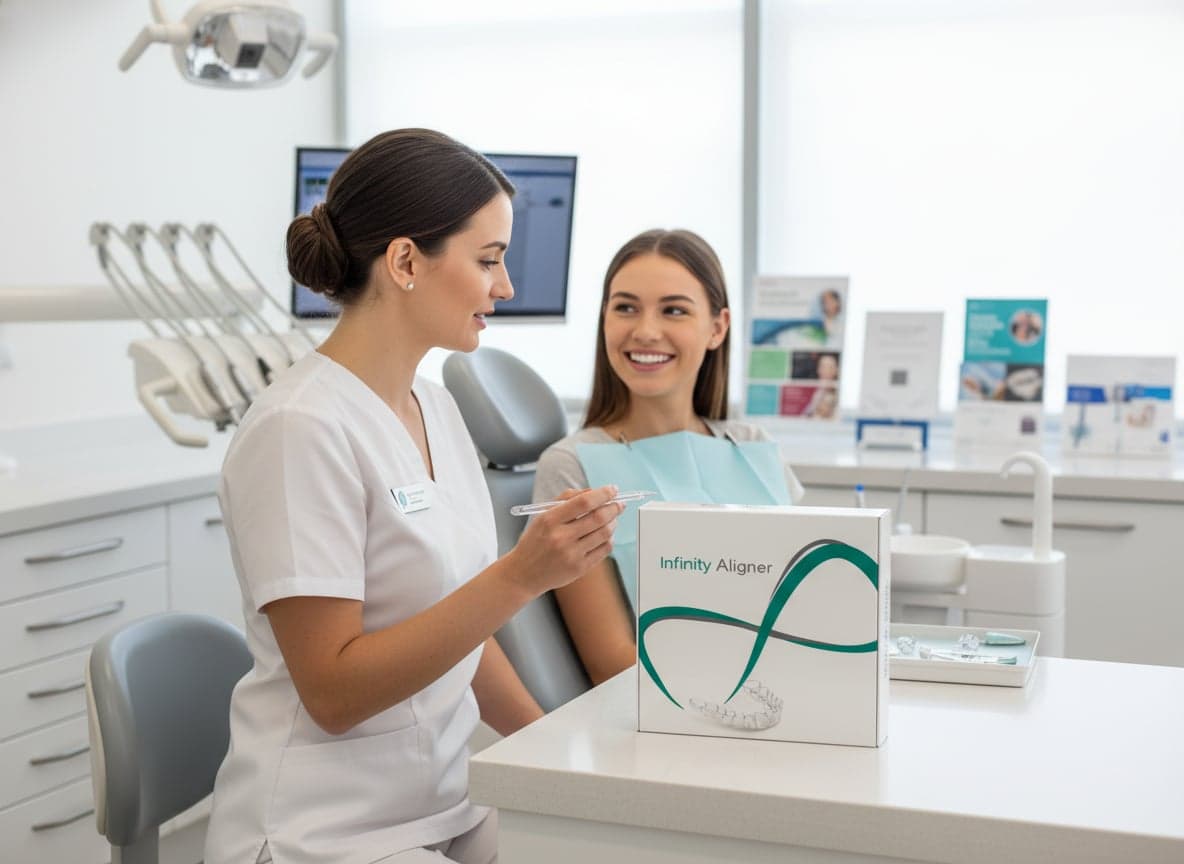
Intraoral scanners, on-site aligner manufacturing, full medical concierge service and savings of up to 60%: discover why Tunisia is establishing itself as the Mediterranean's reference platform for the "digital smile."
Tunisia is no longer merely a popular beach destination; over the course of a decade, it has become one of the most dynamic centres of excellence in the Mediterranean basin for high-technology healthcare. While cosmetic surgery long served as the flagship of this reputation, it is now a genuine odontological revolution that is taking place. Invisible orthodontics and advanced implantology have emerged as the new engines of an evolving medical tourism sector, attracting a demanding international patient base from Europe, sub-Saharan Africa and Canada.
1. The Digital Shift: When Technology Redefines the Tunisian Clinic
The revolution is not playing out in pricing, but in the technological value chain. Leading Tunisian clinics have adopted the complete digital workflow — what practitioners call the "full digital workflow" — which is radically transforming the quality and speed of treatment.
The Intraoral Scanner: The End of Alginate Impressions
Digital optical impressions, taken in under three minutes with precision scanners such as the 3Shape TRIOS or the iTero Element, have replaced traditional silicone impressions in leading-edge practices. This three-dimensional STL file feeds directly into the orthodontic planning software, eliminating any distortion from manual handling. Precision reaches ± 25 microns across the entire dental arch — a level of fidelity once reserved for European university hospital centres.
CAD/CAM and Local Aligner Manufacturing
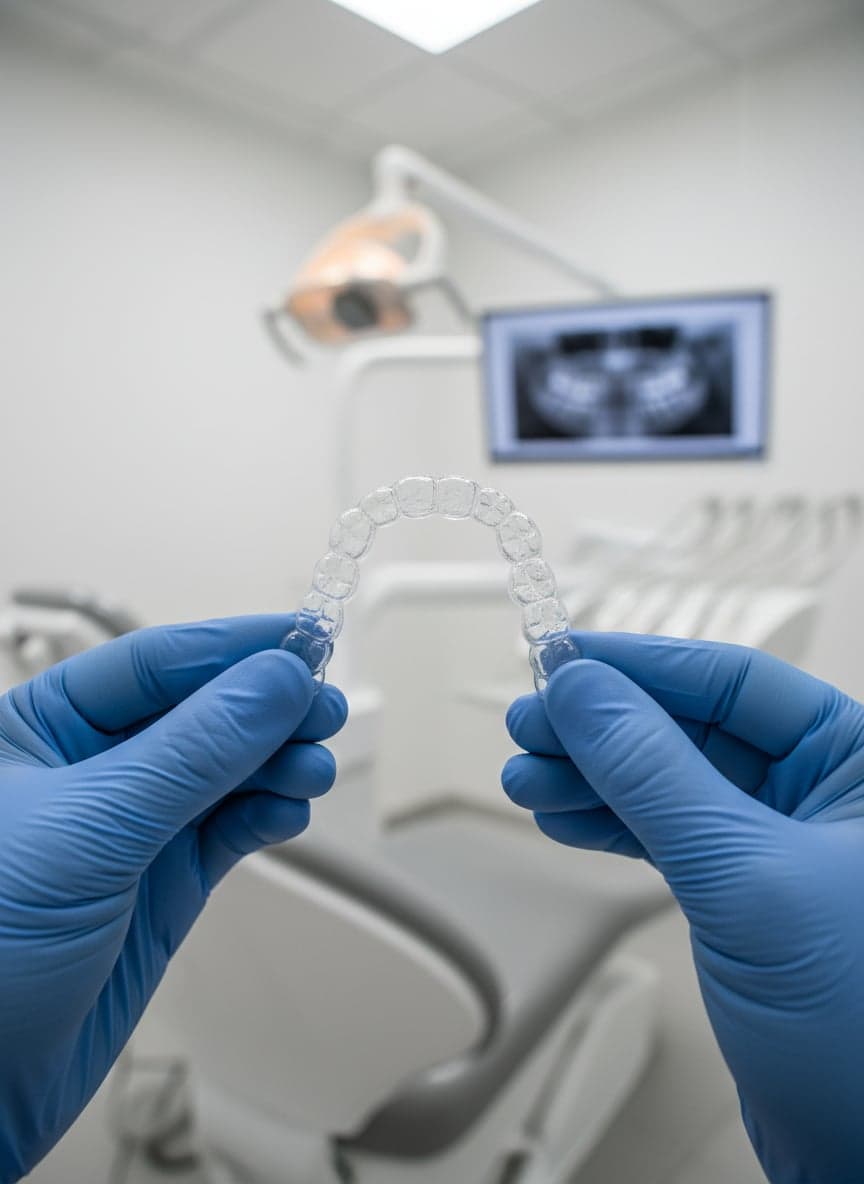
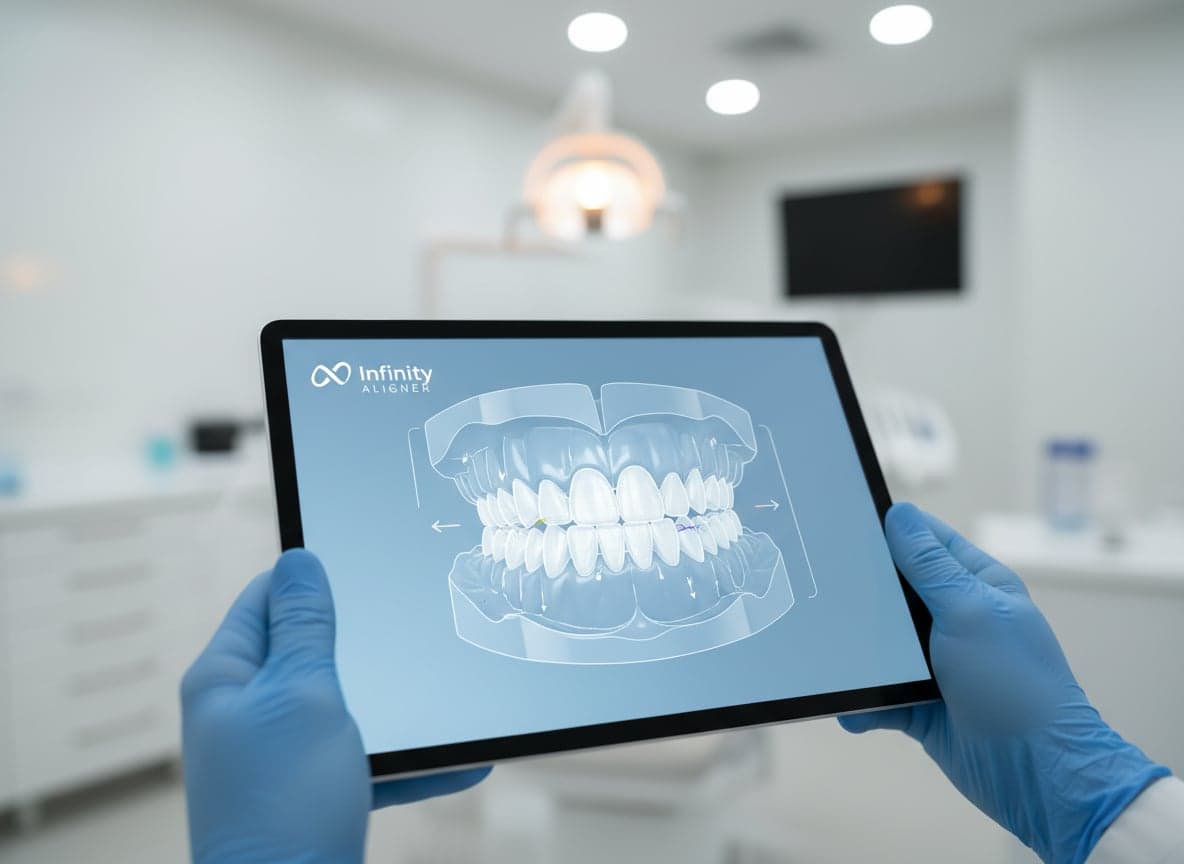
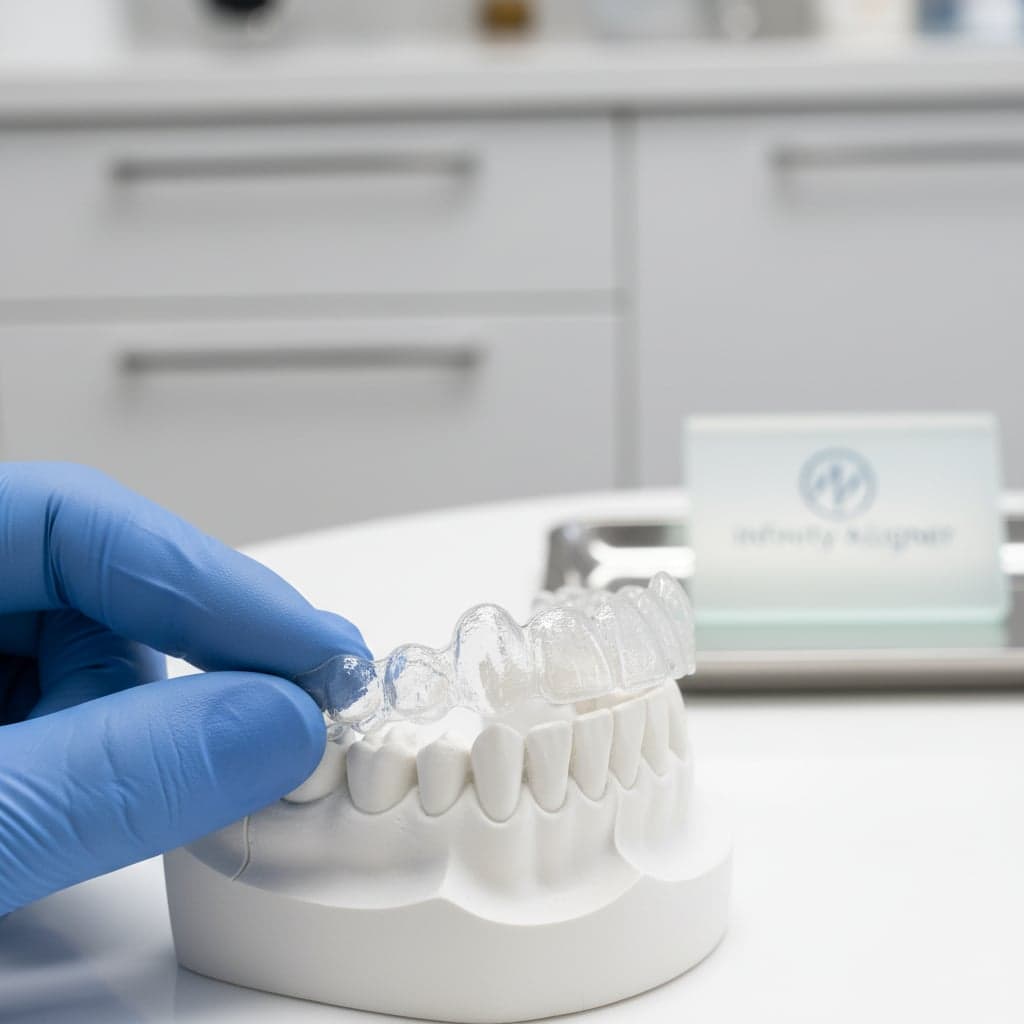
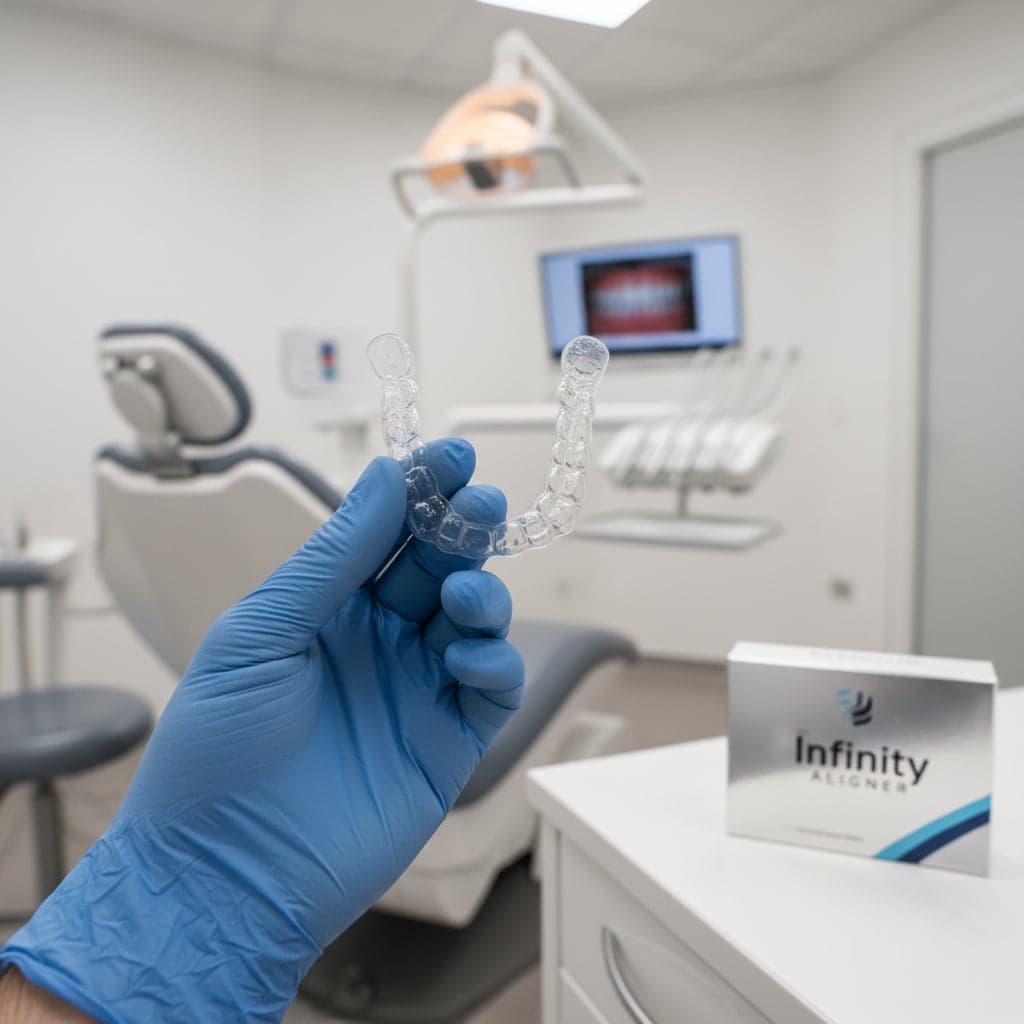
Computer-aided design and manufacturing (CAD/CAM) forms the core of the Infinity Aligner model. Once the scan is complete, the practitioner plans tooth movements on proprietary software, generating a 3D treatment plan that the patient can visualise before receiving their first aligner. The aligners are then thermoformed over models printed in biocompatible resin by high-resolution 3D printers. This process, carried out entirely on Tunisian soil, reduces turnaround times to 7–10 working days versus 3 to 6 weeks for laboratories outsourced to Asia.
Surgical Guides for Implants: Precision at the Service of Implantology
The same digital workflow applies to implantology. CBCT (Cone Beam Computed Tomography) planning coupled with guided surgery software — Simplant, coDiagnostiX or equivalent — enables the manufacture of a custom surgical guide that positions the drill at the exact angle and depth prescribed by the virtual treatment plan. The result: a drastic reduction in surgical risk, minimised post-operative sequelae and, in favourable cases, "Teeth in a Day" protocols allowing a provisional prosthesis on the very day of implant placement.
| Technology | Clinical application | Patient benefit |
|---|---|---|
| 3Shape / iTero intraoral scanner | HD optical impression in 3 min | Total comfort, precision ± 25 µm |
| Biocompatible resin 3D printer | Models for aligner thermoforming | 7–10 day turnaround vs 3–6 weeks |
| CBCT + printed surgical guide | Guided implant placement | Millimetre precision, reduced risk |
| 3D simulation software | Visual orthodontic treatment plan | Result validated before treatment |
| CFAO milling — e.max / zirconia crown | Single-unit ceramic prosthesis | Natural appearance, 15–20 year lifespan |
2. Medical Logistics: The "Concierge" Experience as Standard of Care
A price advantage alone is not enough to build loyalty among demanding international patients. What has built the reputation of Tunisia's leading clinics is their ability to orchestrate a medical stay from A to Z, transforming a potentially stressful procedure into a smooth and memorable experience.
The Integrated Patient Journey
- Remote preliminary consultation: submission of photographs and a digital radiographic assessment, personalised detailed quote issued within 48 hours
- Airport welcome: private transfer to the clinic or partner hotel, full assistance from landing
- Premium accommodation: agreements with 4–5 star hotels in immediate proximity to the clinic, negotiated rates for patients
- Optimised surgical scheduling: grouping of appointments (assessment, impressions, implant placement, aligner delivery) over 3 to 7 days to minimise travel
- Remote post-treatment follow-up: regular check-ins via teleconsultation, standardised photo kit, aligners adjusted and sent by express courier
This comprehensive care model is not a luxury — it is a functional necessity for patients who cannot afford multiple transatlantic return trips. The clinic becomes simultaneously a healthcare provider, a medical travel agency and a logistics coordinator. At Infinity Aligner, this organisation is codified in an international patient protocol that guarantees a consistent experience regardless of the patient's nationality.
3. Training, Accreditation and Care Safety: The Invisible Foundation of Trust
The legitimate question every foreign patient asks is: is the level of clinical competence comparable to that in my home country? In Tunisia, the answer is documented and verifiable.
Initial Training Aligned with European Standards
The Tunisian faculties of dental surgery (Monastir, Tunis, Sfax) deliver six-year curricula in accordance with the guidelines of the Association for Dental Education in Europe (ADEE). Many practitioners supplement their training with master's degrees, university diplomas or fellowships obtained in France, Belgium, Italy or Canada. In orthodontics, several Tunisian specialists are certified by the Angle Society of Europe, the American Board of Orthodontics, or are active members of the Société Française d'Orthopédie Dento-Faciale (SFODF).
ISO-Standard Sterilisation and Traceability Protocols
Reference clinics operate under ISO 9001 or ISO 13485 certification (medical devices), with sterilisation protocols in accordance with EN 13060 — identical to those applied in European Union healthcare facilities. The materials used — Nobel Biocare, Straumann or Anthogyr implants, Zendura or Erkodur thermoforming resins — all carry CE marking and are traceable to their manufacturing batch.
| Criterion | Standard applied | International equivalence |
|---|---|---|
| Initial training | 6 years + specialisation | Compliant with ADEE directives (Europe) |
| Practitioner certifications | ABO, SFODF, Angle Society | Equivalent EU / North America |
| Sterilisation | EN 13060, Class B cycle | EU hospital standard |
| Implant materials | Nobel Biocare, Straumann, Anthogyr | CE marked — batch traceability |
| Clinical quality management | ISO 9001 / ISO 13485 | EU medical device standard |
4. The Cost-Opportunity Ratio: Up to 60% Savings, Without Clinical Compromise
The pricing differential between Tunisia and Western Europe is explained by structural factors — skilled labour costs, tax burdens, clinic rents — and not by any difference in care quality or materials. For a European patient, the economic calculation is striking.
| Treatment | France / Belgium | Canada / Switzerland | Tunisia (Infinity Aligner) | Savings achieved |
|---|---|---|---|---|
| Full clear aligner treatment | €3,500 – €6,000 | CAD 4,000 – 7,500 | €1,200 – €2,500 | 50 to 65% |
| Implant + ceramic crown | €2,500 – €4,000 / unit | CAD 3,000 – 5,000 | €900 – €1,600 / unit | 55 to 68% |
| Full-mouth rehabilitation (6 implants) | €20,000 – €35,000 | CAD 25,000 – 45,000 | €7,000 – €12,000 | 60 to 70% |
| CBCT assessment + intraoral scan | €250 – €450 | CAD 300 – 600 | €80 – €150 | 60 to 70% |
To these savings must be added a non-monetary benefit that many patients underestimate: post-operative recovery in a sun-drenched Mediterranean environment. After implant placement or the start of orthodontic treatment, a few days of convalescence in Hammamet, Djerba or La Marsa — with a local cuisine rich in antioxidants, a dry warm climate favourable to healing, and a change of scenery — is not an anecdotal luxury. Several studies in medical tourism medicine document the positive impact of environment on post-surgical recovery: reduced stress, better adherence to post-care instructions, and accelerated healing.
5. Regulatory Challenges and the Roadmap to Excellence
Let's be honest: medical tourism carries real risks when practised without discernment. Post-operative complications arising far from the treating practitioner, clinics lacking structured follow-up systems, or initially attractive quotes that conceal unexpected additional costs — these pitfalls exist and sometimes tarnish the reputation of an otherwise largely serious sector. Tunisia is aware of this. Since 2018, the National Council of the Order of Dental Surgeons of Tunisia (CNOMD-T) has been working on harmonising quality standards with World Health Organization (WHO) frameworks and is developing a national "Certified Medical Tourism Clinic" label, with the first wave of certifications planned for 2026.
How to Identify a Serious Clinic
- ISO certification displayed and verifiable (certificate number consultable online)
- Remote preliminary consultation with an identified practitioner — not just a commercial representative
- Detailed quote including materials used, their manufacturer and CE classification
- Documented post-treatment follow-up protocol with scheduled teleconsultations
- Verifiable references: before/after testimonials with photographs, verified Google reviews
- Practitioner membership in an international learned society, verifiable on that society's website
6. Infinity Aligner and the Vision of the "Mediterranean Digital Smile"
Infinity Aligner is part of this transformation dynamic with a clearly articulated vision: to make Tunisia the first regional on-demand clear aligner manufacturing platform, combining cultural and geographical proximity with Europe, mastery of the complete digital workflow and a network of certified practitioners covering the country's major cities. In the short term, the objective is to reduce manufacturing lead times to 5 working days through the integration of new industrial 3D printers. In the medium term, the development of a tele-orthodontics platform will allow internationally based patients to begin their treatment locally and complete it in Tunisia during a single visit.
Digital dentistry is not a trend — it is the permanent redefinition of what it means to treat with precision, comfort and ambition. And in this redefinition, Tunisia is no longer simply an emerging player: it is on its way to becoming a model.
Infinity Aligner
Clinical & editorial team
More articles
How to Choose Clear Aligners in Tunisia
Clear Aligners vs Braces: Complete Comparison
How Much Do Clear Aligners Cost in Tunisia?
How Long Does Clear Aligner Treatment Take?
How to Clean and Care for Your Clear Aligners Daily
Clear Aligners for Teenagers: What Parents Need to Know
Gap Teeth & Diastema: Can Clear Aligners Fix Them?
Can You Play Sports with Clear Aligners?
3D Smile Simulation: How It Works and What to Expect
Orthodontic Relapse: Why Teeth Move After Treatment
Intraoral Scanner vs Traditional Impressions: What's the Difference?
Clear Aligners for Adults: Is It Ever Too Late?
Wisdom Teeth and Clear Aligners: Are They Compatible?
Clear Aligners: A Versatile Therapeutic Approach in Orthodontics
Orthodontics and Periodontal Health: What Every Patient Needs to Know
The Technology Behind Clear Aligners: From Design to Tray
How to Prepare for Your Orthodontic Consultation: 10 Questions to Ask
Bruxism and Clear Aligners: Can You Correct and Protect at the Same Time?
Class II Malocclusion and Clear Aligners: What Treatment Options Exist?
Clear Aligners and Dental Implants: Protocol, Timing and Clinical Cases
Digital Workflow and Aligner Biomechanics: The Advanced Practitioner Protocol
The Limits of Clear Aligners: Identifying Complex Cases Beyond Their Reach
Aligner Manufacturing: Thermoforming, 3D Printing and Polymer Science
Invisible Orthodontics in 2030: Predictive AI, Direct Printing and Active Materials
Smile Without Borders: The Price of Aligners Between Tunisia, Europe and Canada
Attachments in Invisible Orthodontics: The Silent Levers of Biomechanics

The Smile Beyond the Mirror: The Profound Impact of Dental Alignment on Psychological Well-being
Post-Orthodontic Retention: The Forgotten Step That Decides Everything
What You Can (and Cannot) Eat With Clear Aligners
Teeth Whitening and Clear Aligners: Can You Treat and Whiten at the Same Time?
TMJ and Clear Aligners: How Invisible Orthodontics Acts on Jaw Pain
The Different Types of Dental Retainer: A Complete Guide After Orthodontic Treatment
The hidden dangers of metal braces: what patients need to know
Root resorption: the silent risk of poorly managed orthodontic treatments
Orthodontics and cavities: how metal braces compromise dental hygiene
Orthodontic relapse: why teeth return to their original position
Braces and chronic pain: the underestimated impact on daily quality of life
Intraoral scanner vs conventional impressions: dimensional analysis and clinical implications
CAD/CAM digital workflow in orthodontics: from intraoral scanning to aligner fabrication
Deformation, shrinkage and cumulative errors: why the conventional impression chain compromises aligner precision
Intraoral Scanners 2025: Complete Technical and Metrological Comparison
Why Choose Infinity Aligner? The Complete Guide for Dental Practitioners
Composite Selection for Aligner Attachments: Mechanical Analysis and Clinical Protocol
TMJ and Malocclusion: Differential Diagnosis and Clinical Approach for the Practitioner
Travelling with Clear Aligners: The Complete Guide for Stress-Free Trips
The First Month with Aligners: What to Expect Week by Week
Pre-Prosthetic Orthodontics: Preparing the Site Before Implants or Veneers
How to Present Aligners to a Hesitant Patient — A Consultation Script
Anterior Open Bite and Aligners: Protocol, Intrusion and Relapse Risk
Posterior & Anterior Crossbite: Diagnosis and Correction with Clear Aligners
Tobacco, Cigarettes and Clear Aligners: Everything You Need to Know
Invisalign vs Infinity Aligner: Complete Price Comparison in Tunisia (2026)
What Happens If You Don't Wear Your Aligners 22 Hours a Day?
Myths and Misconceptions About Clear Aligners: What Patients and Dentists Get Wrong
Sleep Apnea and Orthodontics: The Dentist's Role in Screening and Management
Consult a certified dentist
Our 200+ certified partners in Tunis, Sfax, Sousse and the francophone zone welcome you.
Book a consultation