Digital Workflow and Aligner Biomechanics: The Advanced Practitioner Protocol
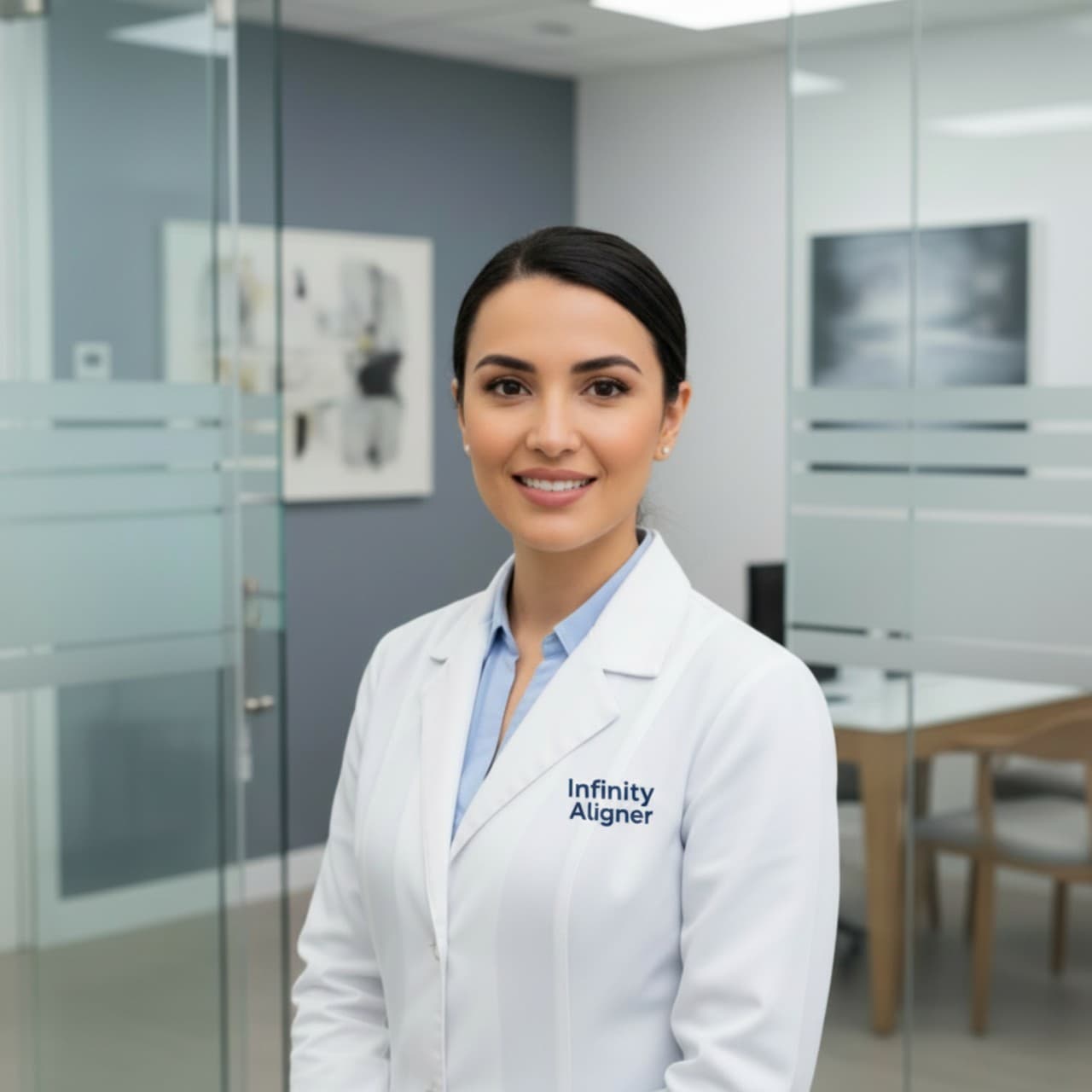
From optical impression to virtual setup: optimising attachments, managing complex movements and remote monitoring tools for certified clear aligner practitioners.
Mastering clear aligners goes far beyond prescribing a series of trays. It requires a thorough understanding of the digital workflow — from optical capture to virtual setup — and the underlying biomechanics that govern every tooth movement. This article is aimed at practitioners looking to elevate their practice.
From optical impression to virtual setup: the precision chain
The quality of the final treatment is directly conditioned by the precision of the initial capture. A high-performance intraoral scanner (resolution ≤ 20 µm, acquisition time < 4 min for both arches) produces a usable STL file without retouching. Errors at this stage — resin bubbles on the gingiva, motion artefacts, uncaptured areas behind molars — propagate throughout the planning chain and result in poorly fitting trays.
Attachment management: shape, position and biomechanics
Attachments are the mechanical interfaces between the tray and the tooth. Their shape determines the direction and magnitude of the transmitted force. An incorrect attachment prescription is the primary cause of insufficient expression of planned movements.
| Attachment type | Targeted movement | Clinical recommendation |
|---|---|---|
| Vertical rectangular | Extrusion, inclination control | Standard for most anterior teeth |
| Horizontal rectangular | Rotation, torque control | Premolars — position at crown centre |
| Bevelled activated | Intrusion | Upper incisors — 45° activation angle |
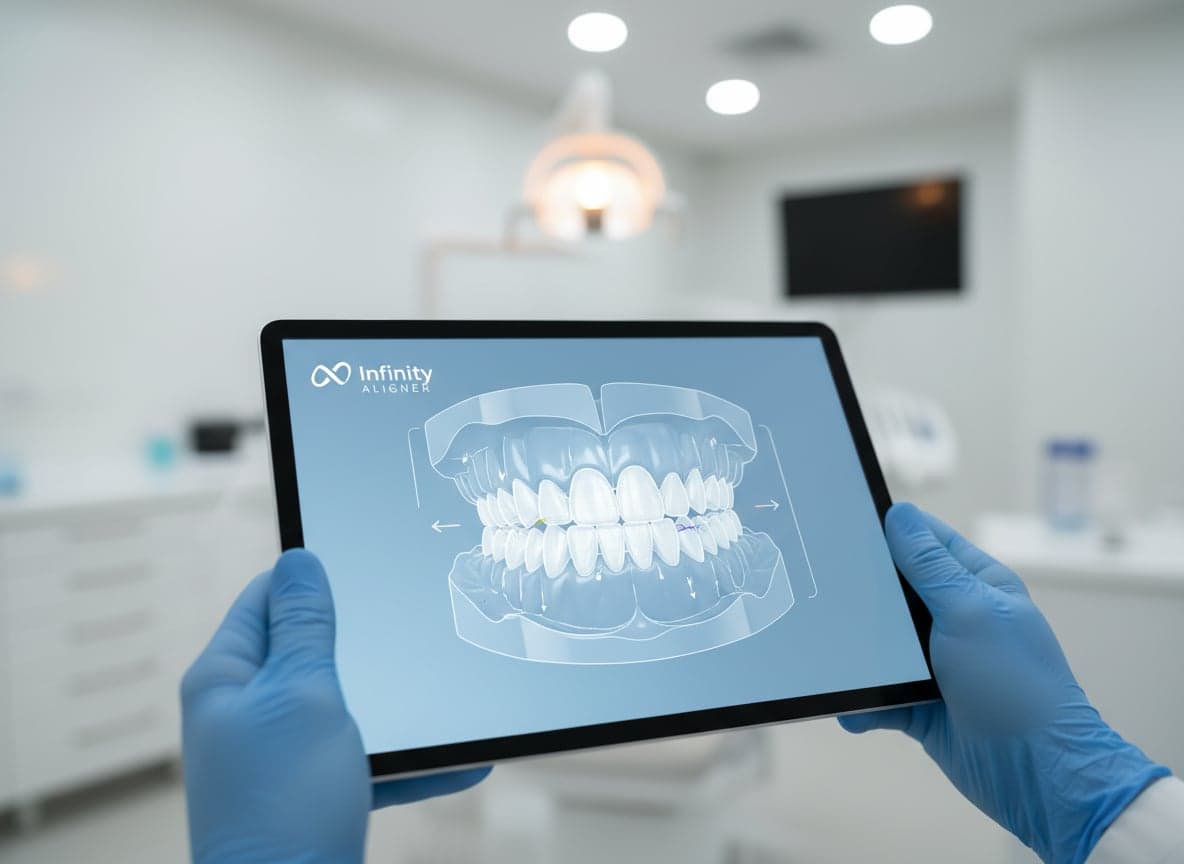
| AI-optimised | Combined movements | Automatically calculated by Infinity Aligner software |
IPR (interproximal enamel reduction): when and how much?
Stripping — or IPR — is an indispensable biological tool in aligner treatments for moderate crowding cases. It creates the space needed for movements without resorting to extraction. Bolton analysis calculates the tooth mass discrepancy and determines the amount of IPR needed per sextant. The accepted physiological limit is 0.3 mm per proximal surface, or 0.6 mm between two adjacent teeth.
Compliance and remote monitoring: the modern practitioner's tools
The weak link in aligner treatment remains patient compliance. Studies show that one in three patients does not respect the recommended 22 hours of daily wear. Remote monitoring tools — such as Dental Monitoring, which analyses photos taken by the patient from their smartphone — allow the practitioner to verify movement expression remotely, detect early expression failure and space out office appointments for compliant patients.
- Remote monitoring protocol: weekly or bi-weekly photo, automatic AI analysis, practitioner alert if deviation detected
- Potential reduction of office appointments by 30 to 50% for well-monitored cases
- Better patient satisfaction: feeling of continuous follow-up without travel
- Early detection of poorly fitting trays before treatment delay accumulates
Conclusion
Clinical excellence in aligner orthodontics relies on mastering the end-to-end digital workflow: from optical capture to attachment prescription, through IPR and compliance monitoring. Infinity Aligner supports its certified practitioners with ongoing training on these advanced protocols, guaranteeing predictable results and satisfied patients.
Infinity Aligner
Clinical & editorial team
More articles
How to Choose Clear Aligners in Tunisia
Clear Aligners vs Braces: Complete Comparison

How Much Do Clear Aligners Cost in Tunisia?
How Long Does Clear Aligner Treatment Take?
How to Clean and Care for Your Clear Aligners Daily
Clear Aligners for Teenagers: What Parents Need to Know
Gap Teeth & Diastema: Can Clear Aligners Fix Them?
Can You Play Sports with Clear Aligners?

3D Smile Simulation: How It Works and What to Expect
Orthodontic Relapse: Why Teeth Move After Treatment
Intraoral Scanner vs Traditional Impressions: What's the Difference?
Clear Aligners for Adults: Is It Ever Too Late?
Wisdom Teeth and Clear Aligners: Are They Compatible?

Clear Aligners: A Versatile Therapeutic Approach in Orthodontics
Orthodontics and Periodontal Health: What Every Patient Needs to Know
The Technology Behind Clear Aligners: From Design to Tray

How to Prepare for Your Orthodontic Consultation: 10 Questions to Ask
Bruxism and Clear Aligners: Can You Correct and Protect at the Same Time?

Class II Malocclusion and Clear Aligners: What Treatment Options Exist?
Clear Aligners and Dental Implants: Protocol, Timing and Clinical Cases
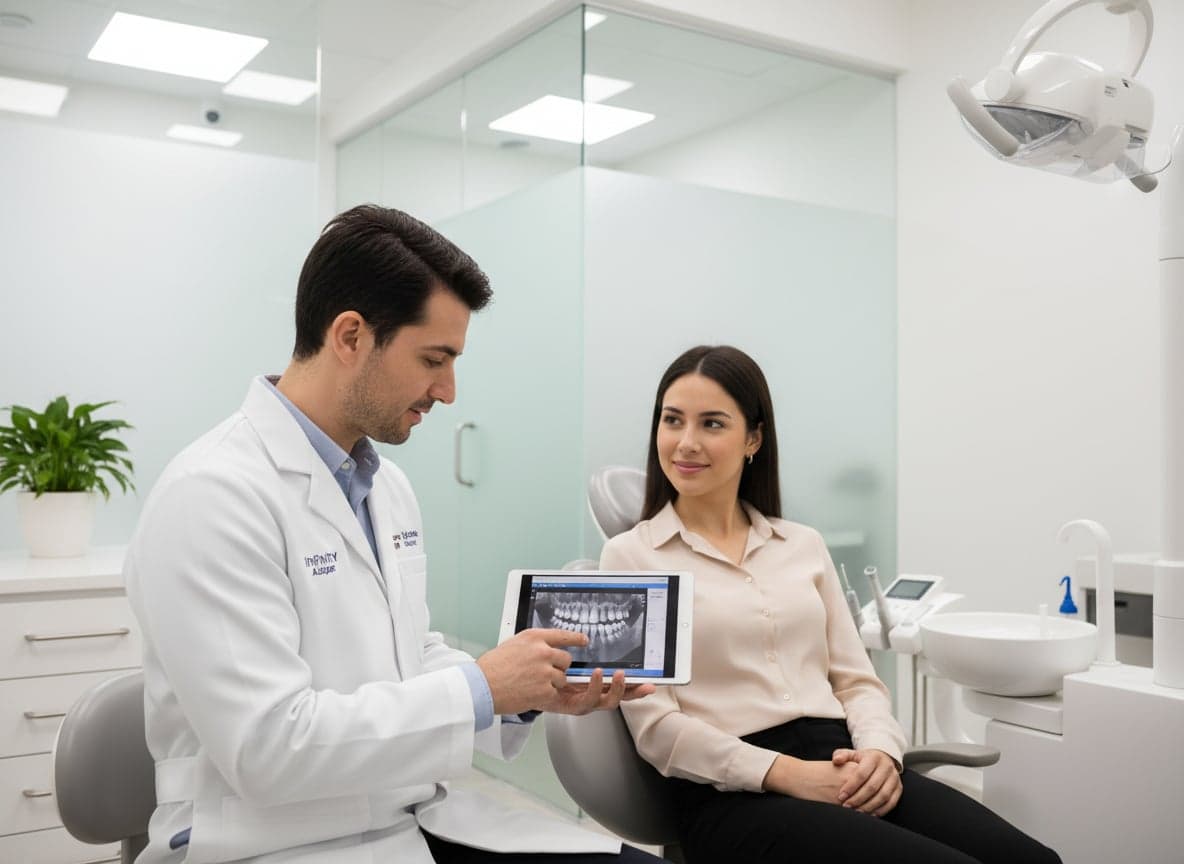
The Limits of Clear Aligners: Identifying Complex Cases Beyond Their Reach
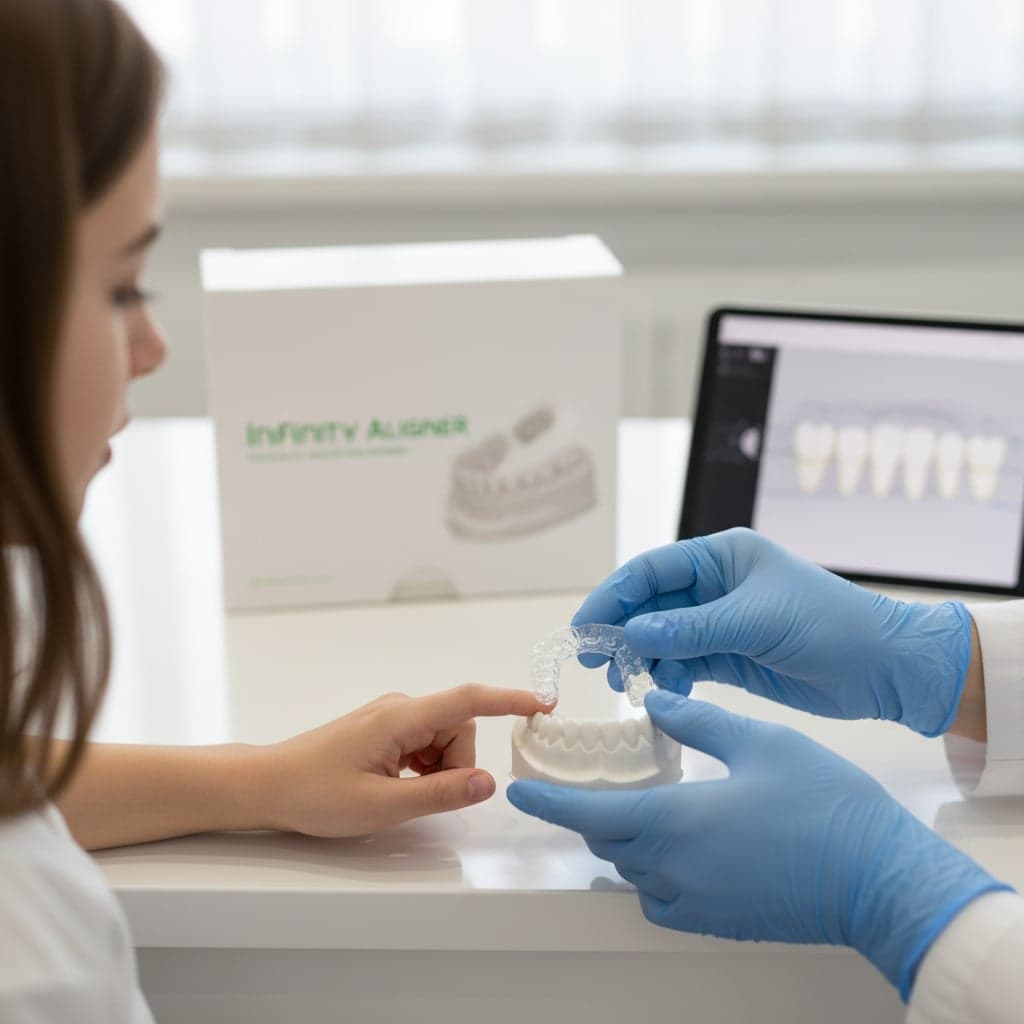
Aligner Manufacturing: Thermoforming, 3D Printing and Polymer Science
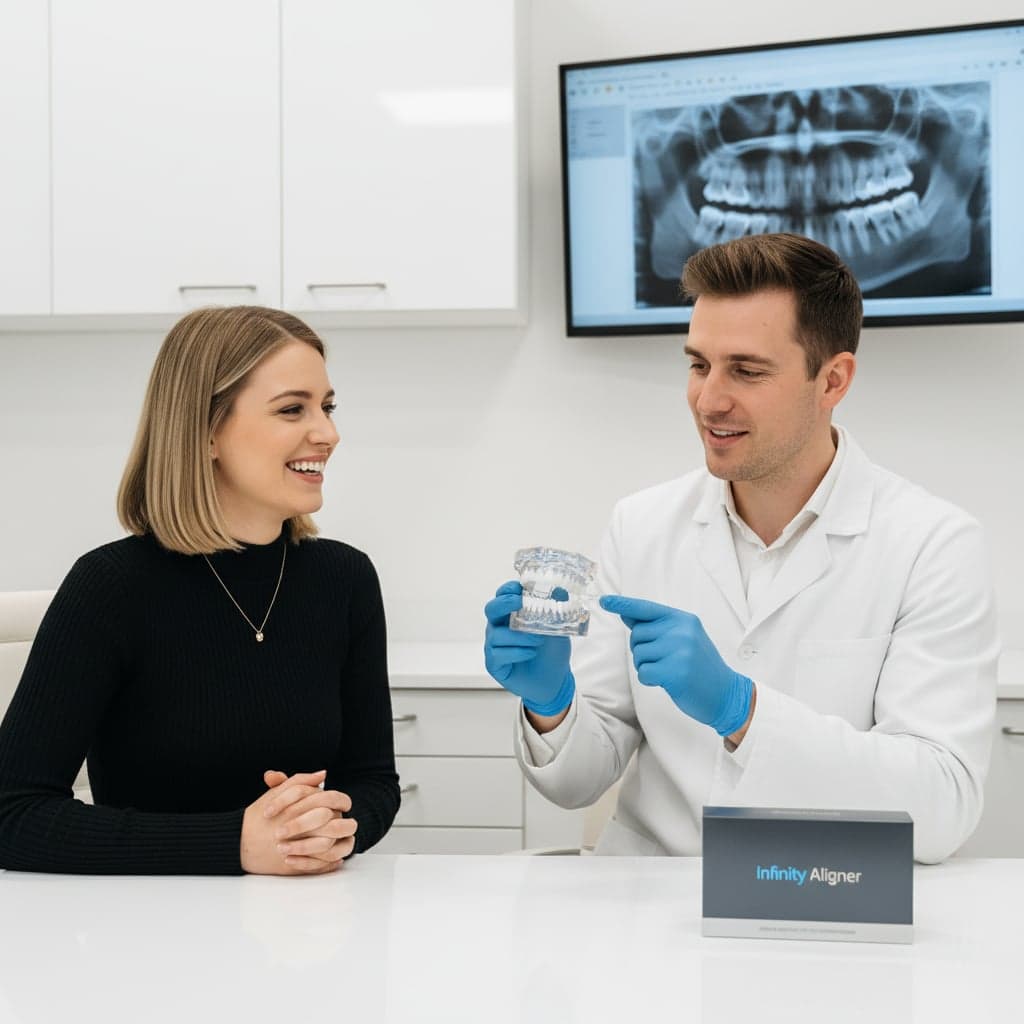
Invisible Orthodontics in 2030: Predictive AI, Direct Printing and Active Materials
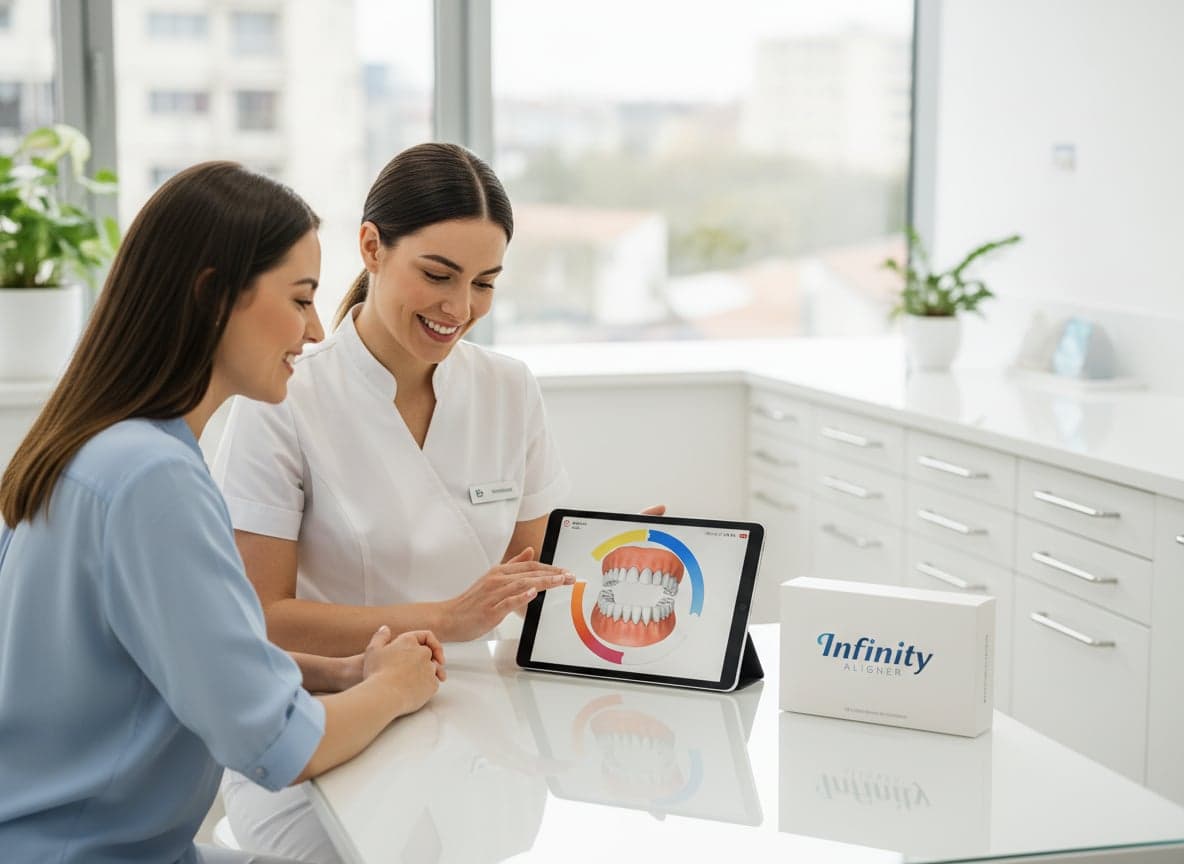
Smile Without Borders: The Price of Aligners Between Tunisia, Europe and Canada
Attachments in Invisible Orthodontics: The Silent Levers of Biomechanics

The Smile Beyond the Mirror: The Profound Impact of Dental Alignment on Psychological Well-being
Tunisia: The New Eldorado of Digital Dentistry and Medical Tourism
Post-Orthodontic Retention: The Forgotten Step That Decides Everything
What You Can (and Cannot) Eat With Clear Aligners
Teeth Whitening and Clear Aligners: Can You Treat and Whiten at the Same Time?
TMJ and Clear Aligners: How Invisible Orthodontics Acts on Jaw Pain
The Different Types of Dental Retainer: A Complete Guide After Orthodontic Treatment
The hidden dangers of metal braces: what patients need to know
Root resorption: the silent risk of poorly managed orthodontic treatments
Orthodontics and cavities: how metal braces compromise dental hygiene
Orthodontic relapse: why teeth return to their original position
Braces and chronic pain: the underestimated impact on daily quality of life
Intraoral scanner vs conventional impressions: dimensional analysis and clinical implications
CAD/CAM digital workflow in orthodontics: from intraoral scanning to aligner fabrication
Deformation, shrinkage and cumulative errors: why the conventional impression chain compromises aligner precision
Intraoral Scanners 2025: Complete Technical and Metrological Comparison
Why Choose Infinity Aligner? The Complete Guide for Dental Practitioners
Composite Selection for Aligner Attachments: Mechanical Analysis and Clinical Protocol
TMJ and Malocclusion: Differential Diagnosis and Clinical Approach for the Practitioner
Travelling with Clear Aligners: The Complete Guide for Stress-Free Trips
The First Month with Aligners: What to Expect Week by Week
Pre-Prosthetic Orthodontics: Preparing the Site Before Implants or Veneers
How to Present Aligners to a Hesitant Patient — A Consultation Script
Anterior Open Bite and Aligners: Protocol, Intrusion and Relapse Risk
Posterior & Anterior Crossbite: Diagnosis and Correction with Clear Aligners
Tobacco, Cigarettes and Clear Aligners: Everything You Need to Know
Invisalign vs Infinity Aligner: Complete Price Comparison in Tunisia (2026)
What Happens If You Don't Wear Your Aligners 22 Hours a Day?
Myths and Misconceptions About Clear Aligners: What Patients and Dentists Get Wrong
Sleep Apnea and Orthodontics: The Dentist's Role in Screening and Management
Consult a certified dentist
Our 200+ certified partners in Tunis, Sfax, Sousse and the francophone zone welcome you.
Book a consultation