Antimicrobial Photodynamic Therapy: Light as a Weapon Against Periodontal Pathogens
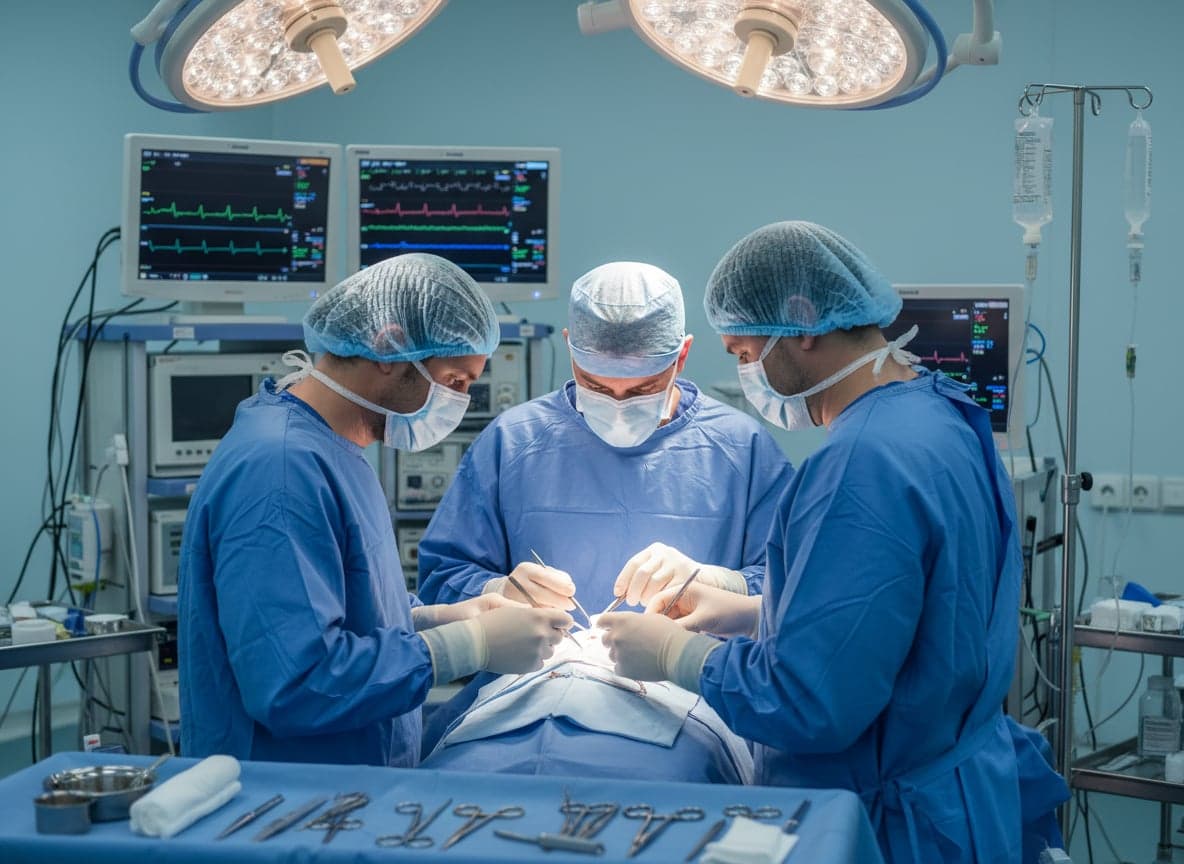
Antimicrobial photodynamic therapy (aPDT) exploits the combination of a non-toxic photosensitiser and a specific light source to generate reactive oxygen species capable of selectively eliminating periodontal pathogenic bacteria without developing resistance.
In a global context of increasing antibiotic resistance, antimicrobial photodynamic therapy (aPDT) is emerging as a therapeutically highly relevant alternative in periodontology. This treatment exploits the combination of a non-toxic photosensitiser (phenothiazine dye, rose bengal, chlorin e6) and a specific-wavelength light source to generate reactive oxygen species (ROS — primarily singlet oxygen ¹O₂) capable of selectively eliminating periodontal pathogenic bacteria.
1. Mechanism of Action: Photochemistry in the Service of Decontamination
The aPDT mechanism involves three components: the photosensitiser (PS), light and oxygen. The PS is applied into the periodontal pocket and binds selectively to bacterial membranes (Gram-negative periodontal pathogens — P. gingivalis, T. forsythia, T. denticola — have a particular affinity for cationic photosensitisers). Illumination by a laser diode (wavelength 630–680 nm for phenothiazines) activates the PS, which transfers its energy to surrounding molecular oxygen, generating cytotoxic singlet oxygen. These ROS cause irreversible oxidation of membrane lipids, proteins and bacterial DNA, inducing cell death in under 60 seconds of illumination.
2. Clinical Data: What the Meta-Analysis Shows
A high-level meta-analysis (Cochrane-level) published in the Journal of Clinical Periodontology (2024) analysed 34 randomised clinical trials (n = 1,872 patients) comparing scaling and root planing (SRP) alone versus SRP + aPDT as an adjunct. Consolidated results:
- Additional pocket depth reduction: – 0.41 mm (95% CI: – 0.62 to – 0.19) in favour of the SRP + aPDT group
- Additional clinical attachment gain: + 0.35 mm (95% CI: + 0.16 to + 0.54)
- Additional bleeding index score reduction: – 9.2% vs SRP alone
- P. gingivalis bacterial reduction at 3 months: – 1.8 log₁₀ CFU/mL in aPDT group vs – 0.9 log₁₀ in control group
- No development of bacterial resistance documented in any of the 34 trials
3. Applications in Orthodontics: Peri-implant and Peri-bracket Decontamination
The applications of aPDT extend beyond periodontology in the strict sense. In orthodontics, two emerging indications deserve attention. The first is the decontamination of peri-bracket sulci in patients with fixed appliances (traditional braces), where plaque accumulation is difficult to control. A pilot study published in the European Journal of Orthodontics (2023) shows an 82% reduction in the peri-bracket plaque score at 12 weeks in the twice-weekly aPDT group versus 47% in the oral hygiene-only group. The second is peri-implant decontamination (peri-implantitis) — an indication for which several aPDT protocols are currently under multicentre evaluation in 2024–2025.
4. Available Devices and Integration Prospects in Tunisia
Several CE-marked aPDT devices are available: the Helbo (Bredent Medical, Germany), PACT Med (PACT GmbH, Germany) and Fotosan 630 (CMS Dental, Denmark) are the systems best documented in the literature. Their integration into Tunisian periodontal practices is gradual, slowed by acquisition costs (DT 8,000–15,000) and the absence of a specific code in the dental procedure nomenclature. However, Infinity Aligner partner clinics adopting advanced periodontology are beginning to integrate aPDT as a differentiating service — particularly for patients presenting with periodontitis associated with an orthodontic project.
Editorial note
This article is written for scientific and professional monitoring purposes. The studies cited are drawn from peer-reviewed publications. Infinity Aligner does not endorse the results of third-party studies and recommends that professionals consult the original publications for any clinical application.
Infinity Aligner — Scientific team
Technology watch & dental literature review
More analyses
Mar 2026
Photobiomodulation (LLLT) and Bone Healing in Implantology: Clinical Evidence, Dosimetry Protocols and 2024 Post-surgical Applications
Mar 2026
Osteodensification and Bone Condensation in Implantology: Versah Technique, Condensation Osteotomes and Bone Quality Improvement Protocols in D3–D4 Bone
Mar 2026
Peri-Implantitis: Diagnosis, Implant Surface Decontamination and Surgical Bone Regeneration — Evidence-Based Protocols 2024
Integrate innovation into your practice
Join the Infinity Aligner network and access the most advanced digital tools for your patients.
Become a partner