Tele-orthodontics: How Remote Monitoring is Transforming Clear Aligner Care
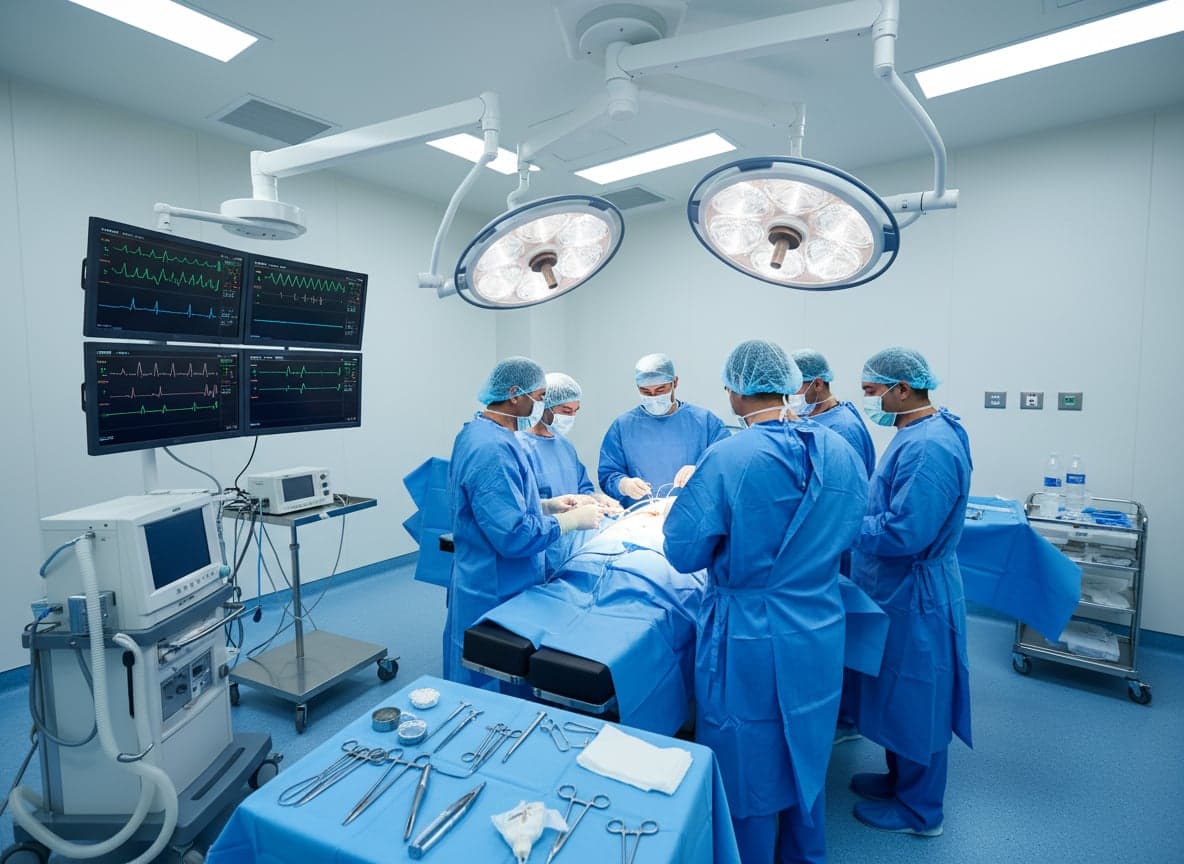
A patient in Montreal sending standardised clinical photographs to their orthodontist in Tunis and receiving the next batch of aligners by express courier within 48 hours — the tele-orthodontics model is profoundly reshaping the geographical boundaries of access to care.
A patient in Montreal sending standardised clinical photographs to their orthodontist in Tunis and receiving the next batch of aligners by express courier within 48 hours — the tele-orthodontics model is profoundly reshaping the geographical boundaries of access to care. Beyond the medical tourism scenario, tele-orthodontics is establishing itself as a paradigm shift in the management of aligner treatments, particularly for rural populations, patients with reduced mobility and professionals with overloaded schedules.
1. The Remote Monitoring Protocol: How It Works in Practice
Tele-orthodontic monitoring is based on a standardised photographic documentation protocol that the patient performs at home at regular intervals (every 4 to 8 weeks depending on the practitioner). The basic kit comprises 7 to 10 standardised images: frontal smile view, right and left profile views, upper and lower occlusal views, upper and lower intercanine close-up views, and an aligner-in-place view. These images are submitted via a secure platform (dedicated mobile app or web portal), analysed by the practitioner — sometimes assisted by an AI progress-monitoring algorithm — and compared against the reference 3D treatment plan.
| Parameter evaluated remotely | Evaluation method | Accuracy vs. in-person consultation |
|---|---|---|
| Aligner fit on arch | Occlusal photograph | 89% agreement (Kappa 0.82) |
| Tooth movement progress | Photo superimposition vs 3D simulation | 84% agreement |
| Attachment integrity | Frontal photo with lateral illumination | 91% detection rate |
| Visible gingival health | Frontal and lateral photographs | 76% agreement (limitation: posterior areas) |
| Wear compliance (declarative) | Patient self-report | Moderate correlation (r = 0.61) |
2. Integrated Smart Sensors: The Next Frontier
Second-generation tele-orthodontics is not limited to photographs. Researchers at the University of Washington have integrated piezoelectric pressure micro-sensors into prototype orthodontic aligners capable of measuring in real time the forces exerted on each tooth (publication: Science Advances, 2024). These data are transmitted via Bluetooth to a smartphone app, generating an automatic compliance and biomechanical treatment efficacy report. Meanwhile, wear-time sensors (temperature-dependent) are being developed by several manufacturers, enabling objective measurement of daily wear hours — data currently only available through self-reporting.
3. Economic Models and Access to Care
Tele-orthodontics has enabled the emergence of disruptive economic models, including Direct-to-Consumer (DTC) offerings such as SmileDirectClub or Byte in the United States — which propose treatments without an in-clinic visit at the placement stage, solely via at-home impression kits and asynchronous photo monitoring. While these models have been criticised for the absence of an initial radiological assessment and in-person clinical control — the FDA issued a safety advisory in 2021 — they demonstrated that demand for remote orthodontic monitoring is real and substantial. Hybrid models — initial in-clinic consultation, treatment monitored remotely — offer a balanced response that preserves clinical rigour while delivering the expected logistical flexibility.
4. Tele-orthodontics and Infinity Aligner: The Tunisian Model
Infinity Aligner is currently developing an integrated remote monitoring platform within its practitioner portal, allowing international patients to submit standardised clinical photographs and receive a progress validation or protocol adjustment within 48 working hours. This hybrid model — initial consultation and scan in Tunis, treatment monitored remotely with one to two check-up visits — precisely meets the needs of the Tunisian diaspora in Europe and North America, and the growing segment of quality dental medical tourism.
Editorial note
This article is written for scientific and professional monitoring purposes. The studies cited are drawn from peer-reviewed publications. Infinity Aligner does not endorse the results of third-party studies and recommends that professionals consult the original publications for any clinical application.
Infinity Aligner — Scientific team
Technology watch & dental literature review
More analyses
Mar 2026
Photobiomodulation (LLLT) and Bone Healing in Implantology: Clinical Evidence, Dosimetry Protocols and 2024 Post-surgical Applications
Mar 2026
Osteodensification and Bone Condensation in Implantology: Versah Technique, Condensation Osteotomes and Bone Quality Improvement Protocols in D3–D4 Bone
Mar 2026
Peri-Implantitis: Diagnosis, Implant Surface Decontamination and Surgical Bone Regeneration — Evidence-Based Protocols 2024
Integrate innovation into your practice
Join the Infinity Aligner network and access the most advanced digital tools for your patients.
Become a partner