Post-Extraction Socket Preservation: Socket Preservation, Socket Shield and Vestibular Bone Volume Management — Protocols and 2024 Clinical Data
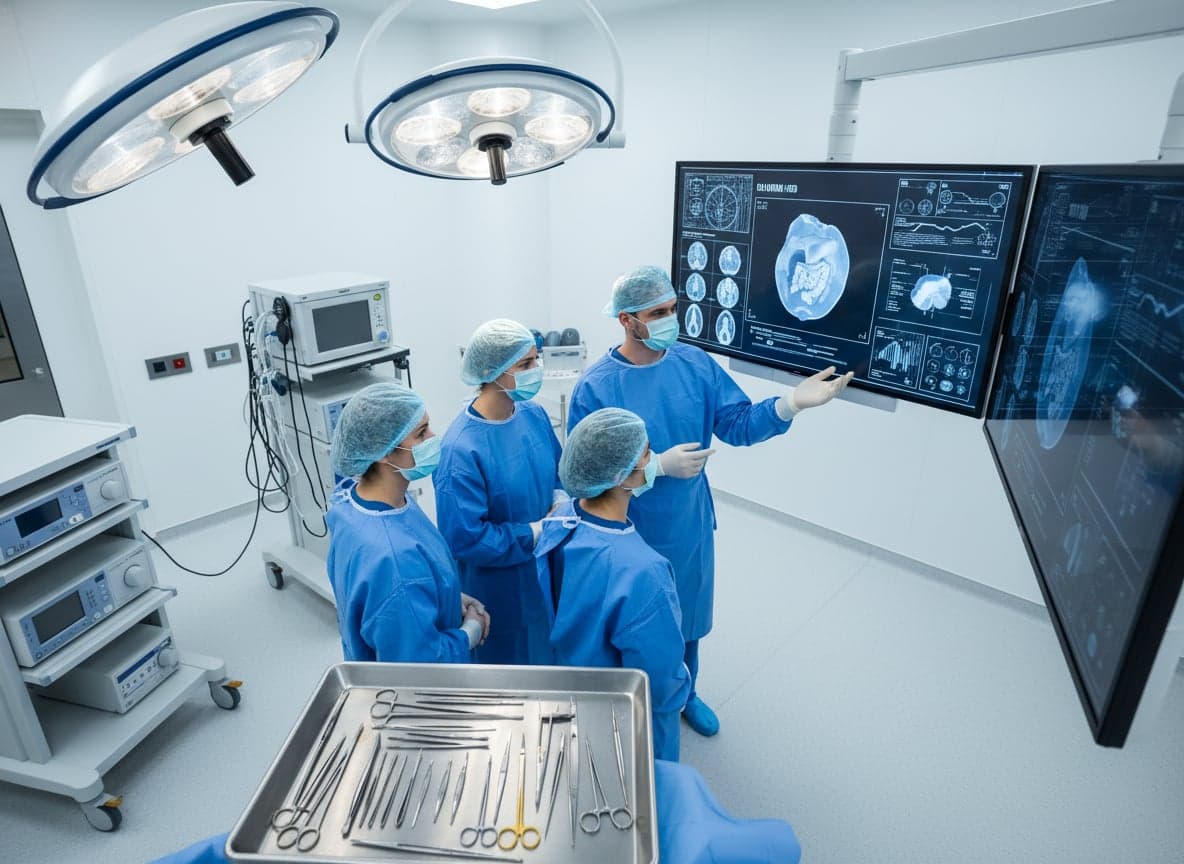
Tooth extraction systematically leads to 30–50% resorption of alveolar volume within 12 months. Socket preservation — by immediate grafting or Socket Shield — is the only documented strategy to limit this resorption and optimise the future implant site.
Tooth extraction is followed by inevitable alveolar resorption. The most recent histomorphometric data (Araújo & Lindhe, 2024; Avila-Ortiz meta-analysis, JCP 2024, 41 RCTs) quantify this resorption: mean horizontal loss of 3.8 mm (29–63% of initial width) and vertical loss of 1.2 mm at 6 months, with maximum resorption in the first 8 post-extraction weeks. In the anterior maxillary aesthetic zone, the vestibular cortical plate — often < 1 mm thick, composed almost entirely of bundle bone dependent on the tooth — disappears almost completely after extraction. These data fully justify the systematic adoption of socket preservation techniques whenever implant planning is envisaged.
1. Standard Socket Preservation: Protocol and Biomaterials
Socket preservation is defined as any immediately post-extraction treatment aimed at preserving or augmenting alveolar bone volume. The standard protocol includes: atraumatic extraction (periotomes, thin elevators, Benex® hook traction system — maximum vestibular plate preservation), socket curettage and disinfection (saline + 0.2% chlorhexidine), socket filling with chosen biomaterial to the crestal level, coverage with resorbable membrane (collagen) or provisional obturation material (Collaplug® collagen, exposed non-resorbable dense PTFE), site closure (horizontal mattress sutures — partial or total closure depending on case). The Avila-Ortiz meta-analysis (JCP 2024) demonstrates that socket preservation reduces horizontal resorption by 1.89 mm (p < 0.001) and vertical resorption by 1.26 mm (p < 0.001) compared to spontaneous healing, across all biomaterials.
| Filling biomaterial | Horizontal resorption reduction | Vertical resorption prevented | Delay before implant | Evidence level |
|---|---|---|---|---|
| Bovine xenograft (Bio-Oss®) | 2.1 mm | 1.4 mm | 4–6 months | Level I — RCTs |
| DFDBA allograft | 1.8 mm | 1.2 mm | 3–5 months | Level I — RCTs |
| Resorbable beta-TCP | 1.5 mm | 0.9 mm | 3–4 months | Level I — RCTs |
| PRF alone (Choukroun) | 1.1 mm | 0.8 mm | 3–4 months | Level II — heterogeneous RCTs |
| Bio-Oss® + PRF | 2.3 mm | 1.5 mm | 4–6 months | Level II — case series |
| Blood clot alone (control) | 0 mm (reference) | 0 mm (reference) | — | Level I — RCTs |
2. Socket Shield: Preserving the Vestibular Cortex Through the Root
The Socket Shield technique (Hürzeler et al., European Journal of Esthetic Dentistry, 2010) represents a major conceptual advance in volumetric preservation in the aesthetic zone. Its principle: leaving a fragment of dental root — the "shield" — in place on the vestibular face of the socket, thereby maintaining the vasculoneural connection between the residual root and the periodontal ligament. This biologically living root fragment mechanically preserves the vestibular bundle bone and prevents its post-extraction collapse. The operative protocol: clinical crown section, root separation into two fragments with diamond disc (vestibular fragment retained — target thickness 1–1.5 mm, subcrestal height 0.5–1 mm), palatal/lingual fragment extraction, implant placement in a lingual position relative to the shield with anchorage in the palato-lingual bone, implant-shield space filling with xenograft, collagen membrane protection.
3. Socket Shield Clinical Validation Data
The Socket Shield technique was the subject of a systematic review (Bramante et al., International Journal of Implant Dentistry, 2024, n = 892 implants, 21 studies) with a mean follow-up of 36 months. Overall implant survival rate: 97.8%; shield complication rate (exposure, resorption, infection): 7.2% — requiring shield fragment removal in 3.1% of cases (resolvable without implant loss in 91% of situations). Vestibular thickness gain at 12 months vs classic socket preservation: +1.2 mm supracrestal soft tissue, mean Pink Esthetic Score (PES) of 12.8/14 vs 11.2/14. The learning curve is significant: complications are 2.3× more frequent in low-volume studies (< 20 cases) vs centres of excellence (> 100 cases).
4. Implant Timing and Loading Protocols
- Type 1 — Immediate implant placement (Day 0): indicated if intact socket, absence of acute infection, residual bone ≥ 3–4 mm apically, insertion torque ≥ 35 N·cm. Mandatory peri-implant gap jumping fill. High surgical demand.
- Type 2 — Early implant placement (4–8 weeks): after soft tissue healing, bone still in active remodelling phase. Socket space partially filled with granulation tissue. Interesting compromise between volume preservation and surgical ease.
- Type 3 — Delayed early implant placement (12–16 weeks): after socket preservation, radiographically mature bone, ideal site for high bone demand zones. Most frequent option in daily practice.
- Type 4 — Late implant placement (> 6 months): indicated after GBR or sinus grafting. Complete healing and partially substituted biomaterial.
Socket preservation is now an indispensable act whenever implant placement is planned at an extraction site. Its cost/benefit ratio for the patient — documented volume gain, simplified subsequent surgery, improved aesthetic outcome — makes it a professional obligation, not an option.
— Avila-Ortiz G. et al., Journal of Clinical Periodontology, 2024
Editorial note
This article is written for scientific and professional monitoring purposes. The studies cited are drawn from peer-reviewed publications. Infinity Aligner does not endorse the results of third-party studies and recommends that professionals consult the original publications for any clinical application.
Infinity Aligner — Scientific team
Technology watch & dental literature review
More analyses
Mar 2026
Photobiomodulation (LLLT) and Bone Healing in Implantology: Clinical Evidence, Dosimetry Protocols and 2024 Post-surgical Applications
Mar 2026
Osteodensification and Bone Condensation in Implantology: Versah Technique, Condensation Osteotomes and Bone Quality Improvement Protocols in D3–D4 Bone
Mar 2026
Peri-Implantitis: Diagnosis, Implant Surface Decontamination and Surgical Bone Regeneration — Evidence-Based Protocols 2024
Integrate innovation into your practice
Join the Infinity Aligner network and access the most advanced digital tools for your patients.
Become a partner